
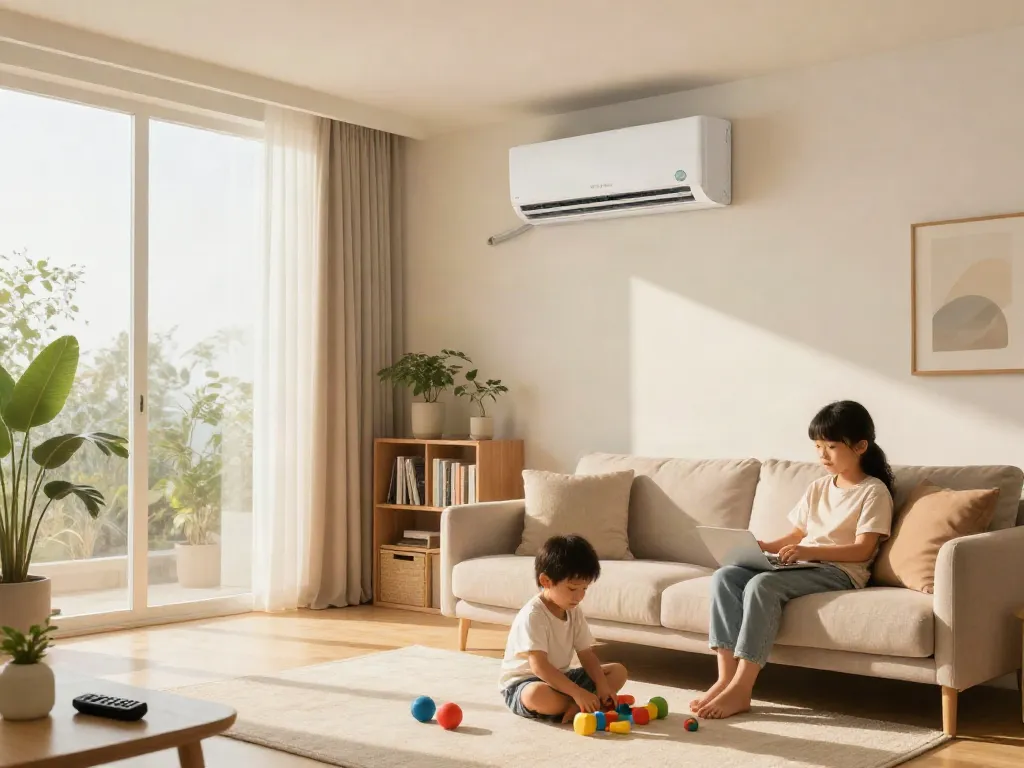
Understanding the Mini Split AC Unit and Its Benefits
In today's climate, efficient cooling solutions are essential for ensuring comfort in residential and commercial spaces. Enter the mini split ac unit, a revolutionary system that combines advanced technology with practical advantages. This article explores what mini split systems are, their benefits, the installation process, maintenance tips, and future trends to help you make an informed decision about your indoor climate control.
What is a Mini Split AC Unit?
A mini split AC unit, also known as a ductless air conditioning system, features two main components: an indoor unit that distributes conditioned air and an outdoor unit that houses the compressor and condenser. Unlike traditional central air conditioning systems that require extensive ductwork, mini splits utilize small conduits to connect the indoor and outdoor components, making them ideal for various installations.
Advantages of Choosing Mini Split Systems
- Energy Efficiency: Mini splits are known for their high energy efficiency ratings, often exceeding the SEER (Seasonal Energy Efficiency Ratio) requirements. This leads to significant savings on energy bills.
- Flexible Installation: These systems can be installed in a variety of configurations, making them suitable for homes without existing ductwork.
- Zoned Comfort: Mini splits allow for individual temperature control in different rooms, enhancing comfort according to personal preferences.
- Quiet Operation: Many mini split systems operate at sound levels comparable to a whisper, providing cooling without disruptive noise.
Cost-Effectiveness and Energy Efficiency
Investing in a mini split AC unit can lead to substantial savings over time. The initial costs of these systems may be higher than traditional AC units, but their energy efficiency can lower monthly utility bills. Additionally, the absence of ductwork means reduced energy loss associated with air transfer through ducts, making mini splits a cost-effective long-term solution.
Installation Process for Mini Split AC Units
Installing a mini split AC unit is a straightforward process, but it does require careful planning and execution. Proper installation is crucial to ensure the system works efficiently and effectively over its lifespan.
Preparing Your Home for Installation
Before installation, assess your space to determine the most suitable areas for placing the indoor units. Consider factors such as insulation, exposure to sunlight, and proximity to the outdoor unit. Having a clear installation plan minimizes complications and maximizes cooling efficiency.
Step-by-Step Installation Guide
- Choose the Location: Select an unobstructed wall for the indoor unit and a suitable location for the outdoor unit, ensuring it’s on a stable surface.
- Mount the Indoor Unit: Using brackets, secure the indoor unit to the wall, ensuring it’s level for optimal performance.
- Install the Outdoor Unit: Follow the manufacturer’s instructions to mount the outdoor unit, ensuring adequate ventilation and access for future maintenance.
- Connect Refrigerant Lines: Carefully connect the refrigerant lines between the indoor and outdoor units, taking care to prevent leaks.
- Complete Electrical Connections: Wiring should be done by a professional to ensure safety and compliance with local electrical codes.
- Test the System: Once everything is connected, power on the system to check for any issues before sealing the conduits.
Common Installation Mistakes to Avoid
To ensure a successful installation, avoid these common pitfalls:
- Inadequate site assessment leading to poor placement.
- Improperly sealed refrigerant lines causing inefficiencies.
- Neglecting to balance indoor and outdoor units, affecting performance.
Maintaining Your Mini Split AC Unit
Regular maintenance is essential to keep your mini split AC unit running efficiently and to prolong its lifespan. Understanding basic care techniques can prevent costly repairs down the line.
Essential Maintenance Tips for Longevity
- Regular Filter Cleaning: Check and clean the filters monthly to ensure optimal airflow and efficiency. Clogged filters can strain the system and reduce performance.
- Annual Professional Inspections: Schedule yearly maintenance with a qualified technician for refrigerant checks, electrical connections, and other components.
- Outdoor Unit Care: Keep the area around the outdoor unit clear of debris, leaves, and snow to maintain proper airflow.
Signs Your Mini Split Needs Professional Service
Be on the lookout for signs that indicate your mini split system may require professional attention:
- Unusual noises coming from the unit.
- Inconsistent cooling or heating throughout your space.
- Increased energy bills without corresponding usage changes.
DIY Maintenance Tasks You Can Do
In addition to professional maintenance, there are several DIY tasks homeowners can perform:
- Cleaning or replacing the air filters.
- Wiping down the indoor unit to remove dust and dirt.
- Checking for signs of refrigerant leaks (such as ice buildup on the lines).
Maximizing Performance and Efficiency
To get the most out of your mini split AC unit, consider the following strategies for optimization.
Optimal Temperature Settings for Comfort
Setting your mini split to a comfortable temperature—ideally around 75°F to 78°F during the cooling season—can help maintain comfort without straining the system. Utilize the “dry mode” feature if available, as it helps remove excess humidity from the air without drastically cooling your space.
Utilizing Smart Technology with Mini Splits
Many modern mini splits come equipped with smart technology that allows homeowners to control their systems via smartphones or smart home devices. These features can help you manage energy usage more efficiently and adjust settings remotely based on your schedule or preferences.
Energy-Saving Tips for Homeowners
To further conserve energy, implement these practices:
- Close curtains or blinds during the hottest parts of the day to reduce heat absorption.
- Use ceiling fans in conjunction with your mini split to improve air circulation.
- Seal any gaps or leaks around windows and doors to prevent conditioned air from escaping.
Future Trends in Mini Split Technology
The HVAC industry is continuously evolving, with innovations making systems more efficient and user-friendly. Here are some anticipated trends for 2026 and beyond.
Innovations in HVAC Systems for 2026
Expect advancements that include improved energy efficiency ratings, enhanced smart technology integration, and greater customization options to meet diverse homeowner needs. Manufacturers are investing in research to develop systems that not only cool and heat better but also incorporate environmental considerations.
Emerging Features to Look For
Future mini splits may offer features such as:
- Advanced Filtration Systems: Improved filtration for better indoor air quality.
- Self-Diagnostic Capabilities: Systems that can alert homeowners to maintenance needs before they become significant issues.
- Integration with Renewable Energy Sources: Compatibility with solar panels and other green technologies to provide sustainable cooling and heating solutions.
How Mini Splits Fit into Sustainable Home Practices
With an increasing focus on environmental sustainability, mini split systems are becoming a preferred choice for eco-conscious homeowners. Their energy efficiency reduces overall carbon footprints, and many are compatible with renewable energy installations, making them a responsible choice for modern living.
What Are the Disadvantages of a Mini Split?
While mini splits offer numerous benefits, some disadvantages include:
- Higher initial costs compared to traditional systems.
- Potential aesthetic concerns since indoor units can be visible on walls.
- Maintenance requirements that can be more frequent compared to ducted systems.
How Much Does It Typically Cost to Install a Mini Split?
The cost of installing a mini split system varies widely based on capacity, features, and your home's specific needs. On average, homeowners can expect to pay between $3,000 to $5,000 for a full system installation, including both indoor and outdoor units. Factors influencing pricing include the complexity of installation and the number of zones you wish to condition.
Are Mini-Split AC Units Worth It?
Ultimately, whether a mini split AC unit is worth it depends on your specific circumstances. If energy efficiency, flexibility, and comfort control are priorities, then investing in a mini split system may be a smart choice. Consider long-term savings on energy bills and the increased value added to your home when evaluating the overall worth of this technology.